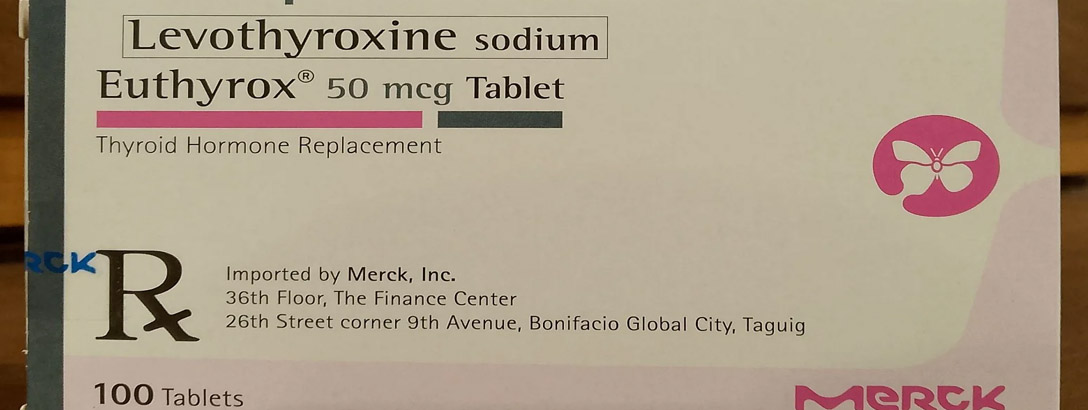
Levothyroxine tablets are used to treat hypothyroidism.
This condition occurs when the thyroid gland does not produce enough hormones.
Levothyroxine replaces the missing thyroid hormone.
It helps regulate metabolism, energy levels, heart rate, and body temperature.
Correct use is essential.
Even small mistakes can reduce effectiveness.
What Levothyroxine Does in the Body
Levothyroxine is a synthetic form of thyroxine (T4).
T4 is converted into the active hormone T3 inside the body.
This hormone affects almost every organ.
It controls how the body uses energy.
When thyroid hormone levels are low, symptoms may include:
- Fatigue
- Weight gain
- Cold sensitivity
- Slow heart rate
- Brain fog
Levothyroxine restores hormone balance gradually.
Results improve with consistent daily use.
How to Take Levothyroxine Correctly
Timing matters more than most people realize.
Levothyroxine should be taken:
- Once daily
- On an empty stomach
- With a full glass of water
The best time is usually in the morning.
Take it 30–60 minutes before breakfast.
Food interferes with absorption.
Even coffee can reduce how much medicine enters the bloodstream.
Consistency is critical.
Take it at the same time every day.
Foods and Drinks to Avoid Around Dosing Time
Certain foods block absorption.
Avoid within 4 hours of taking levothyroxine:
- Calcium supplements
- Iron supplements
- Soy products
- High-fiber foods
- Antacids containing aluminum or magnesium
Coffee should be delayed at least 30–60 minutes.
Milk should also be avoided during this window.
Water is the safest option.
Dosage and Dose Adjustments
Levothyroxine dosage is individualized.
It depends on age, weight, condition, and lab results.
Doctors usually start with a low dose.
Blood tests guide adjustments.
Dose changes are slow.
It may take 6–8 weeks to see full effects after a change.
Never adjust the dose on your own.
Too much can cause symptoms of hyperthyroidism.
What to Do If You Miss a Dose
If you miss a dose:
- Take it as soon as you remember
If it is close to the next dose:
- Skip the missed one
Do not double doses.
This can cause heart-related side effects.
Missing one dose is usually not dangerous.
Missing doses often can affect thyroid levels.
Common Side Effects and Warning Signs
When taken correctly, side effects are uncommon.
Possible side effects include:
- Palpitations
- Anxiety
- Sweating
- Insomnia
These often indicate too high a dose.
Seek medical advice if you notice:
- Chest pain
- Rapid or irregular heartbeat
- Severe nervousness
Regular blood tests reduce risk.
Drug Interactions to Be Aware Of
Levothyroxine interacts with many medications.
Common interactions include:
- Calcium and iron supplements
- Cholesterol-lowering drugs
- Antacids
- Certain antidepressants
Always inform your doctor about all medicines and supplements.
Spacing doses properly often solves the issue.
Long-Term Use and Monitoring
Levothyroxine is often taken for life.
Stopping suddenly may cause symptoms to return.
Regular monitoring is required.
Most patients need blood tests once or twice per year.
Stable dosing leads to stable symptoms.
Energy, mood, and weight often improve over time.
